
Adaptogens, Explained in Plain Language
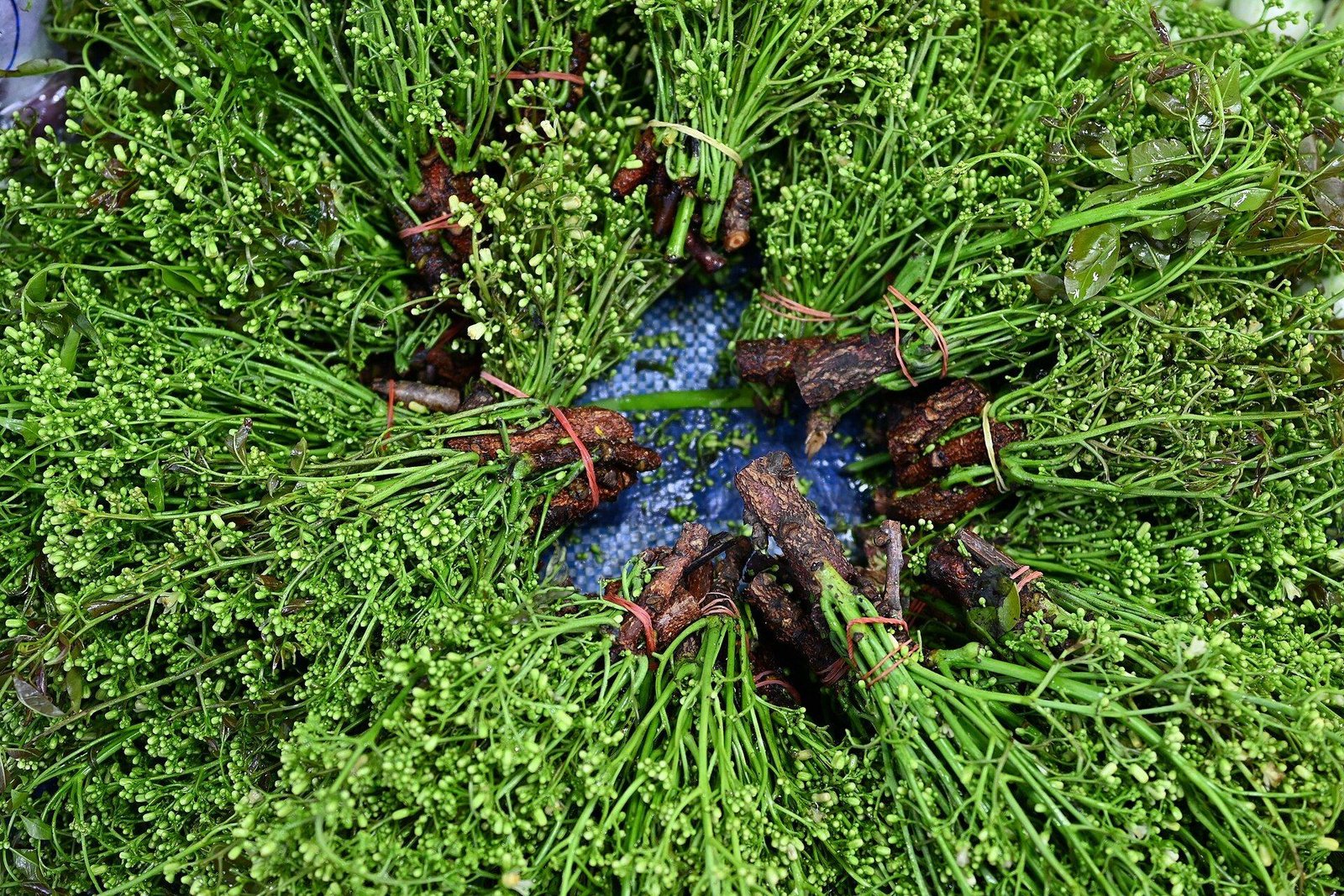
The word is everywhere: on lattes, in serums, across supplement aisles. Here’s what it actually means, minus the marketing fog.
The plain definition
“Adaptogen” is a category name for a group of plants and mushrooms that traditional systems have used for a long time, and that modern wellness culture groups together. The word itself was coined in the mid-20th century to describe substances thought to help the body handle stress in a general, non-specific way. That’s the whole definition: a traditional category, not a medical claim.
The usual names you’ll hear
Ashwagandha, rhodiola, holy basil (tulsi), schisandra, eleuthero, and reishi are the names that come up most. Each has its own traditional history in Ayurvedic, Chinese, or other herbal traditions, each with its own cultural story. Learning the stories is the point: plants carry culture, and the culture is what we’re here for.
How to think clearly about the hype
Three filters we use at SSW:
- Tradition is not proof, but it’s not nothing. Long traditional use tells you a plant mattered to people. It doesn’t tell you what it will do for you.
- Marketing loves a hero ingredient. If a product promises transformation from a dusting of powder, that’s marketing, not plant wisdom.
- Ritual beats ingredient. The people who get the most from these plants tend to have a practice around them: a morning tea, a wind-down routine. The ritual is doing real work too.
Where we land
We’re plant people, not prescribers. We love these plants for what they are: culturally rich, historically deep, and worth knowing by name. If you’re curious about trying anything, talk to a qualified professional first, especially if you take medication or manage a health condition. Culture and education live here. Medical advice doesn’t.